
A strong and diverse business community that works closely with internationally recognised knowledge institutions in the region. That is the strength of the East. As a result, East Netherlands has a highly innovative manufacturing industry, an advanced medical sector and the global foundation for smart food production.



The regional smart specialisation strategy shows and substantiates the shared strengths of East Netherlands
Read below about what we can
do in the digitisation transition
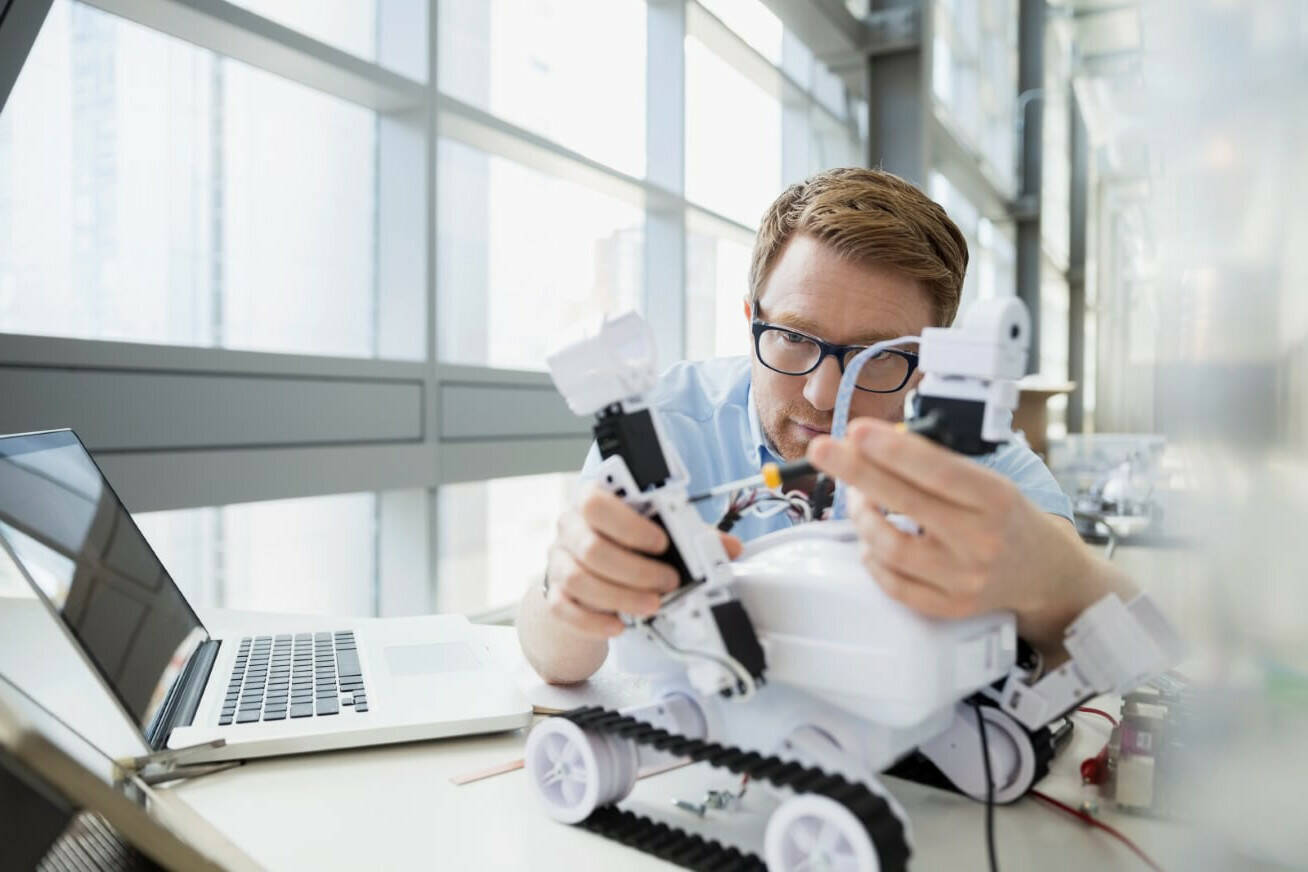
Far-reaching digitisation, AI and robotisation offer many opportunities. Software and physical systems in the manufacturing industry are becoming more closely interlinked to form so-called cyber-physical systems, with which the industry can increase productivity. In this way, the manufacturing industry in the East Netherlands can remain globally competitive and we can even bring back production from low-wage countries. A development that, certainly in times of geopolitical uncertainty, leads to a more robust value chain with fewer vulnerabilities.
With smart algorithms, improved sensor technology and autonomous machines many new applications are created. Think of precision agriculture, circular agriculture and
circularity, and autonomous greenhouses. The basis for the most efficient food production country in the world lies in the East Netherlands. The food machinery and equipment industry, among others, is well represented to meet these challenges.
To accelerate the energy transition, we are focusing on smart energy networks or smart grids and a decentralised mix of energy resources. This will reduce the occurrence of peaks and troughs in the energy supply. To this end, we are expanding our collaboration with top centres in Germany on battery technology. At the same time, we are working on large-scale production methods for alternative energy carriers such as hydrogen. Digitalisation is also necessary for the (semi-automated) manufacture of the building kits that are needed in a sustainable housing market.
Medical technology is becoming increasingly digital in terms of hardware, software and applications. In extramural and intramural care, everything is becoming connected. Think of digital visits to a GP or surgeons performing operations via a robot. We are increasingly able to make predictions about illnesses and the results of treatments on the basis of large quantities of data. We are strong in prevention.

Digitisation in medtech

Digitisation in the energy transition

Digitisation in Smart Food Production

Digitisation in the manufacturing industry: Smart Industry
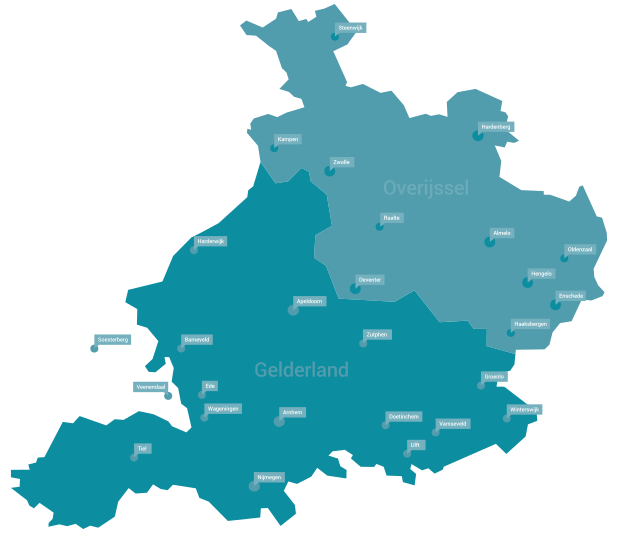
1. Infor (Barneveld)
2. Pinkroccade (Apeldoorn)
3. Ampleon (Nijmegen)
4. Topicus B.V. (Deventer)
5. Thales (Hengelo)
6. Xsens (Enschede)
7. Business Cluster Semiconductors Netherlands
(Nijmegen)
8. Thirona B.V. (Nijmegen)
9. Naast.je Sensire (Varsseveld)
10. Nedap (Groenlo)
11. NXP (Nijmegen)
12. Siza (Arnhem)
13. Noldus Information Technology (Wageningen)
14. Philips Vital Health (Ede)
15. Demcon (Enschede)
16. Lionix (Enschede
17. SciSports (Enschede)
18. Sigmax (Enschede)
19. TKH (Haaksbergen)
20. Heutink ICT (Hengelo)
21. Mprise (Veenendaal)
22. Detron ICT (Veenendaal)
23. Bemet ICT (Veenendaal)
24. NDIX (Enschede)
22
23
21
20
19
15
24
18
17
16
14
13
12
11
10
9
8
7
6
5
4
3
2
1
1. STODT (Hengelo)
2. RUMC Radboud Universitair Medisch Centrum
(Nijmegen)
3. Wageningen Universiteit (Wageningen)
4. Radboud Universiteit (Nijmegen)
5. Hogeschool Arnhem Nijmegen (Nijmegen)
6. OnePlanet (Wageningen)
7. Aventus ROC Apeldoorn (Apeldoorn)
8. Graafschap College (Doetinchem)
9. Aeres MBO (Ede)
10. Rijnijssel (Arnhem)
11. ROC Nijmegen (Nijmegen)
12. ROC Rivor (Tiel)
13. Saxion Deventer (Deventer)
14. Saxion Enschede (Enschede)
15. Universiteit Twente (Enschede)
16. Hogeschool Windesheim (Zwolle)
17. MESA+(Enschede)
18. Center for Telematics and Information
Technology (CTIt) (Enschede)
19. ROC Twente (Enschede)
20. Landstede MBO (Zwolle)
21. Alfa College (Hardenberg)
22. Deltion College (Zwolle)
23. ICT Campus Veenendaal (Veenendaal)
24. CeeCee (Enschede)
25. E-commerce Center (Zwolle)
26
25
23
21
20
19
24
18
17
16
15
14
13
12
11
10
11
8
7
6
5
4
3
2
1
1. TechforFuture (Enschede)
2. TechyourFutute (Enschede)
3. Digitale werkplaats Twente (Enschede)
4. MoveDigi - digitale werkplaats Zwolle (Zwolle)
5. Digitale werkplaats Arnhem-Nijmegen
(Arnhem)
6. Digilab - Foodvalley (Wageningen)
7. Perron038 (Zwolle)
8. Fraunhofer Project Center (Enschede)
9. Gasfabriek (Deventer)
10. LAC - Laser Applicatie centrum (Hengelo)
11. LEO - Center for service robotics (Enschede)
12. Smart Base (Soesterberg)
13. Cybersecurity Center Maakindustrie CCM
(Enschede)
14. Digital Health Center (Nijmegen)
15. Smart Farming (Wageningen)
16. Fieldlab Industrial Robotics (Harderwijk)
17. ESPS Robot Experience Center (Almelo)
18. TechMed Center (Enschede)
19. Industrial Reality hub AR/VR (Enschede)
20. T-valley (Enschede)
21. The Garden (Hengelo)
22. CIVON - Centrum voor innovatief
vakmanschap Oost Nederland (Ulft)
23. Health Innovation Park (Zwolle)
23
22
21
20
19
18
17
16
15
14
13
12
11
10
9
8
7
6
5
4
3
2
1


Smart and Sustainable Industries
Concepts for a Healthy Life
Below, we show some companies, field labs and knowledge and educational institutions that are strongly committed to digitisation. The diversity of subjects is great. From the latest generation of microchips and devices to the integration of robots in complex production lines. From AI that professional football clubs use to analyse prospective acquisitions to the development of integrated photonic chips that function many times faster and more energy-efficiently. It all happens here in the East Netherlands.
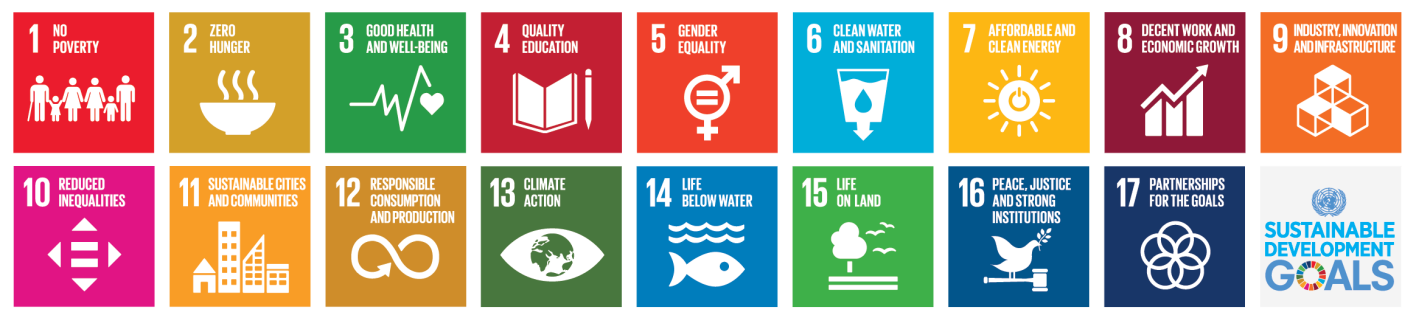
The key technologies that make this possible are developed here in the East Netherlands. The region is great in small things, with a European top position in nanotechnology, photonics and the semicon industry. In the coming years, East Netherlands will be investing heavily in artificial intelligence (AI). By optimally managing complex systems, we contribute both to the transitions in national (and East Netherlands) mission-oriented innovation policy and to the European Sustainable Development Goals (SDGs), specifically: health (SDG3), education (SDG4), affordable and sustainable energy (SDG7), fair economic growth (SDG8), industry, innovation and infrastructure (SDG9), sustainable cities (SDG11), responsible consumption and production (SDG12) and climate (SDG13). From the East Netherlands region, we strongly focus on this social added value and only invest in projects and programmes if they lead to (parts of) solutions.
East Netherlands' smart specialisation strategy (the RIS3) lists the crossovers that give the business community in this region a prime opportunity to create impact and value. The digitisation transition cuts across all kinds of application domains and provides the technological opportunities to create economic and social added value.
The region focuses on the following four crossovers. This is where we can make the greatest contribution to the missions of the national innovation policy.
Digitisation in the picture
Our four digital focal points
Think East Netherlands
The provinces of Gelderland and Overijssel are working together on digitisation in many areas. The strength of our niches and our crossovers with digital technologies create new opportunities for the BV Netherlands. In East Netherlands, we are joining forces regionally and nationally. We also find the connection of our regional value chains to the larger chains in the European Union.
Best practices
What can we do in the digitisation transition?
The provinces of Gelderland and Overijssel and development company Oost NL are facilitating, connecting and guiding parties in the regional developments. By bringing together knowledge institutions, intermediaries and the business community, they combine forces and strengthen each other. We challenge companies and knowledge institutions to look beyond the issues of the day and work on innovations that contribute to solutions for societal challenges. In doing so, we focus on cooperation; regionally, nationally and internationally. Below are four diverse examples of public-private partnerships that serve as inspiration.
OnePlanet Research Center
OnePlanet in Wageningen is an open innovation centre for healthy food, healthy living
and healthy environment. It is an initiative of Imec Nederland, Wageningen University & Research (WUR), Radboud University and Radboudumc and is co-financed by the Province. In this centre, they develop new solutions for the challenges of tomorrow, such as: how do we feed fifty billion mouths without exhausting the earth? How do we keep healthcare affordable? How do we live longer and healthier lives? Digitalisation is the common thread in the solutions to these issues.
Solutions that the innovation centre is working on are:
• microchips that can predict and prevent diseases;
• smart glasses to detect diseases such as Alzheimer's and Parkinson's;
• smart sensors for plants that regulate conditions in greenhouses;
• producing more food with fewer resources by growing crops stacked in buildings.
Wired Workers
By bringing together knowledge institutions, intermediaries and the business community, they combine forces and strengthen each other.
Back to Introduction
Digitalisation across borders
Boost is the public-private partnership for the development of a smart and clean manufacturing industry in the East of the Netherlands. A leading group of leading and guiding entrepreneurs is responsible for the partnership. This leading group gives substance to the industrial strategy for the East Netherlands. Each member leads a working group that tackles specific themes. Think of social innovation, circular business models, AI or cybersecurity. From this industry-driven collaboration, we are working to accelerate the digitisation transition in the East Netherlands. One of the initiatives is the Boost Vital Industry vouchers. These vouchers support companies that have been hit hard by corona in gaining new strategic insights, including on the topic of digitisation.
Boost
A spearhead of the provinces of Gelderland and Overijssel is the connection of the economic activity in the region with companies and knowledge institutions in Germany. The knowledge, skills and market potential on the other side of the border offer great opportunities for the competitiveness of the border region.
Two initiatives to stimulate this resulted in the iPro-N and Digipro projects. These two projects have together triggered more than €22 million in investments in innovation for projects in which
Dutch SMEs work together with German SMEs on new prototypes. More than 250 companies from industry and various knowledge institutions have co-invested in Dutch-German innovation projects through these programmes in the past four years.
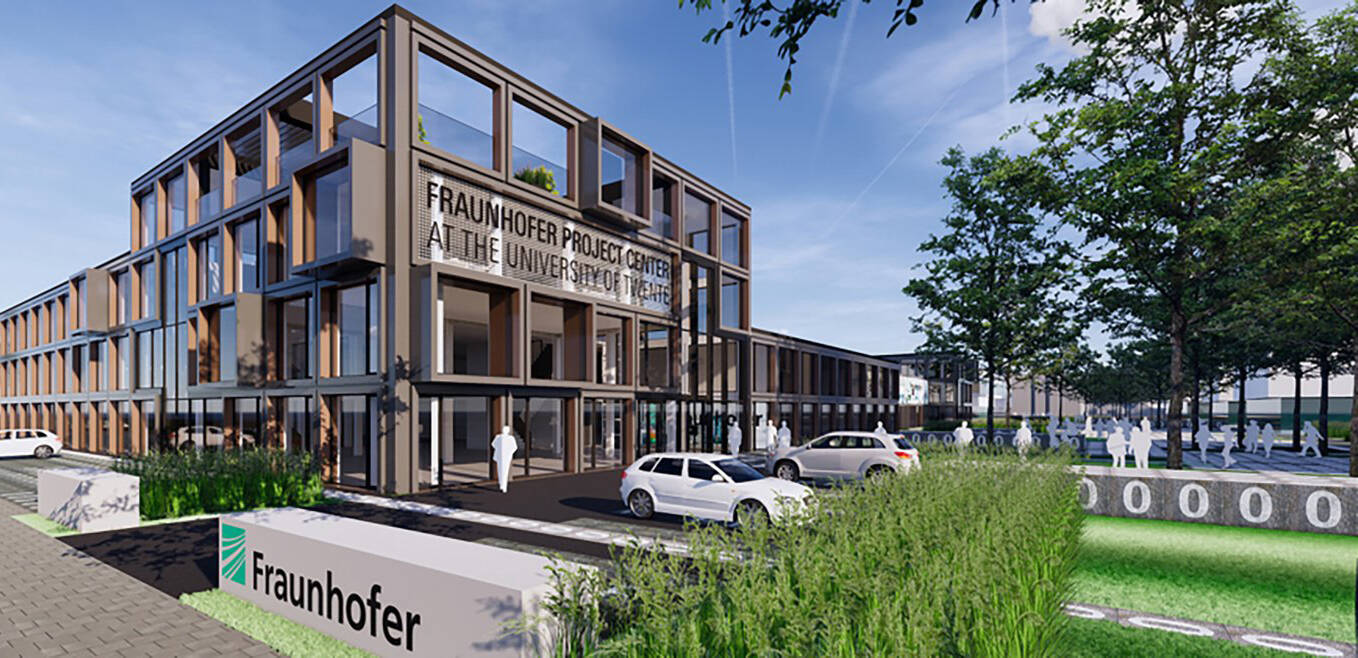
The Fraunhofer Project Center, affiliated with the University of Twente, is a joint
venture of three partners: the University of Twente, Saxion University of Applied Sciences and the Fraunhofer Institute for Production Technology in Aachen, Germany.
The central task of the Fraunhofer Project Center is to transfer current research on advanced manufacturing directly into industrial practice. We focus on the development of technological solutions in the areas of production processes, production equipment, digital production and the organisation of the production chain. Together with industry, knowledge institutions and provinces, we develop synergy. The aim is to excel in the fourth industrial revolution and to train tomorrow's high-tech talents.
Fraunhofer Project Center